 By admin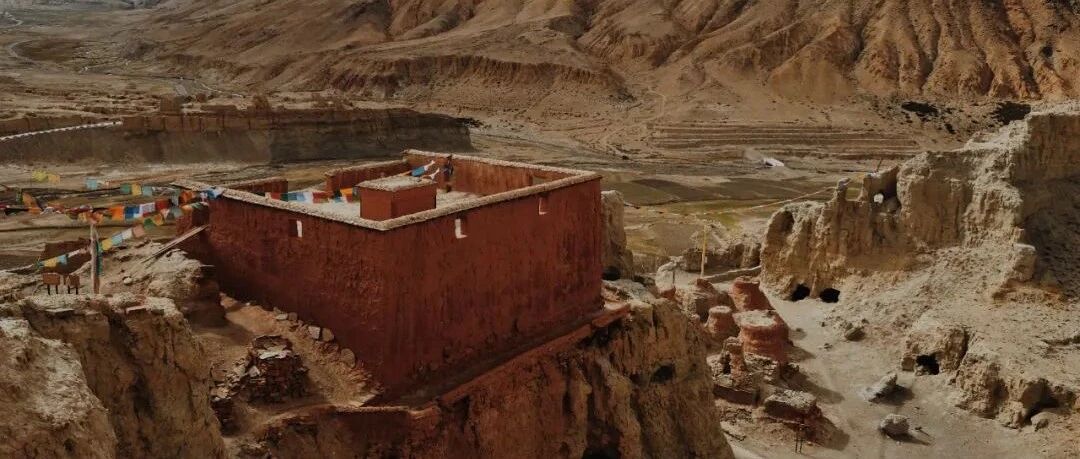
① Only the essence is retained, taking into account both humanistic explanation and natural scenery. Lhasa enters, Ali leaves, and doesn’t go back.
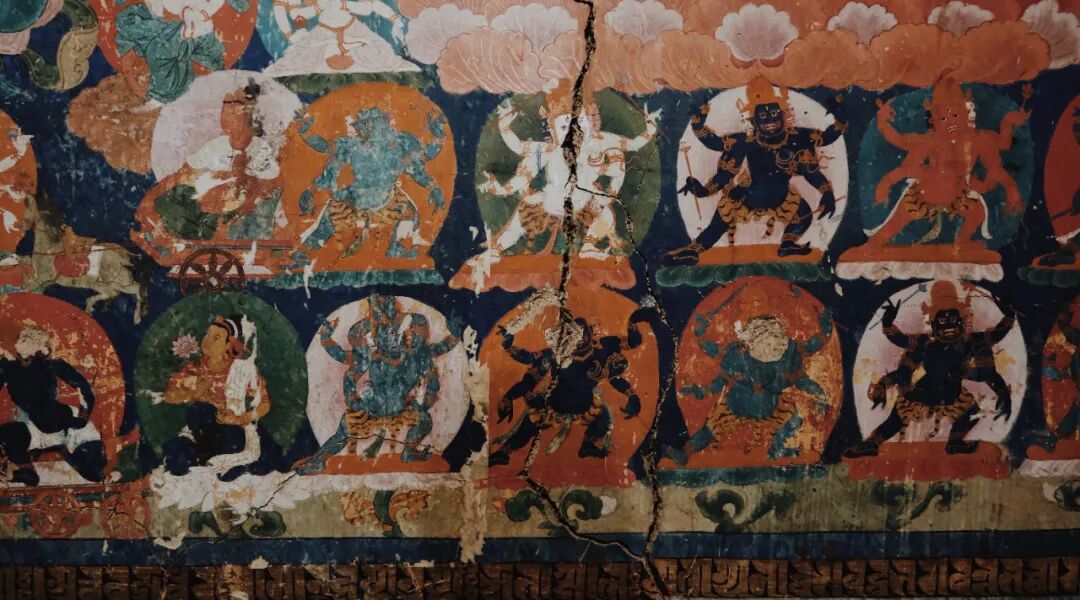
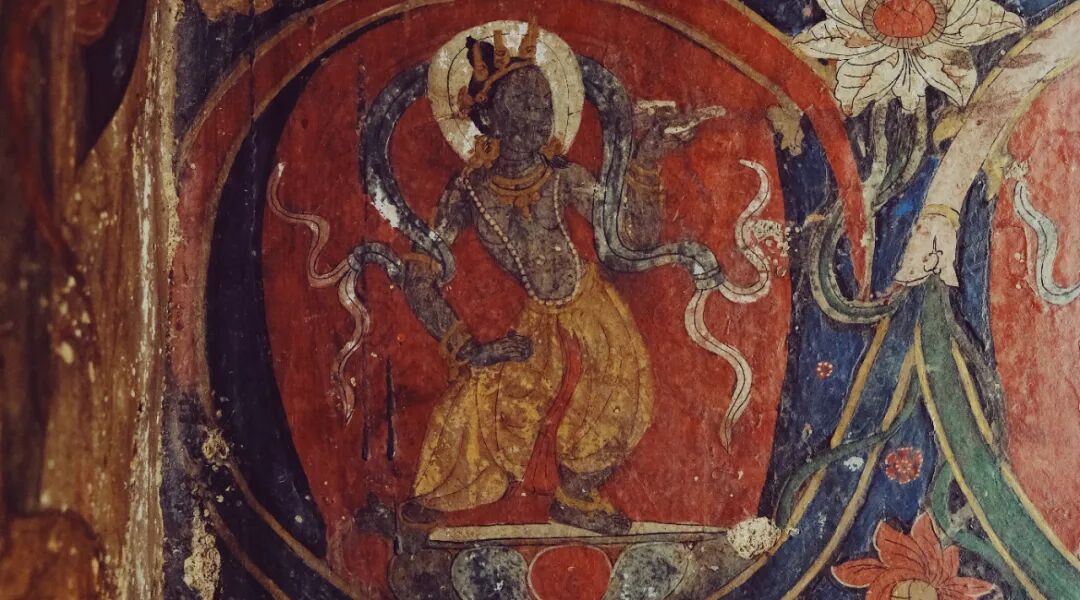
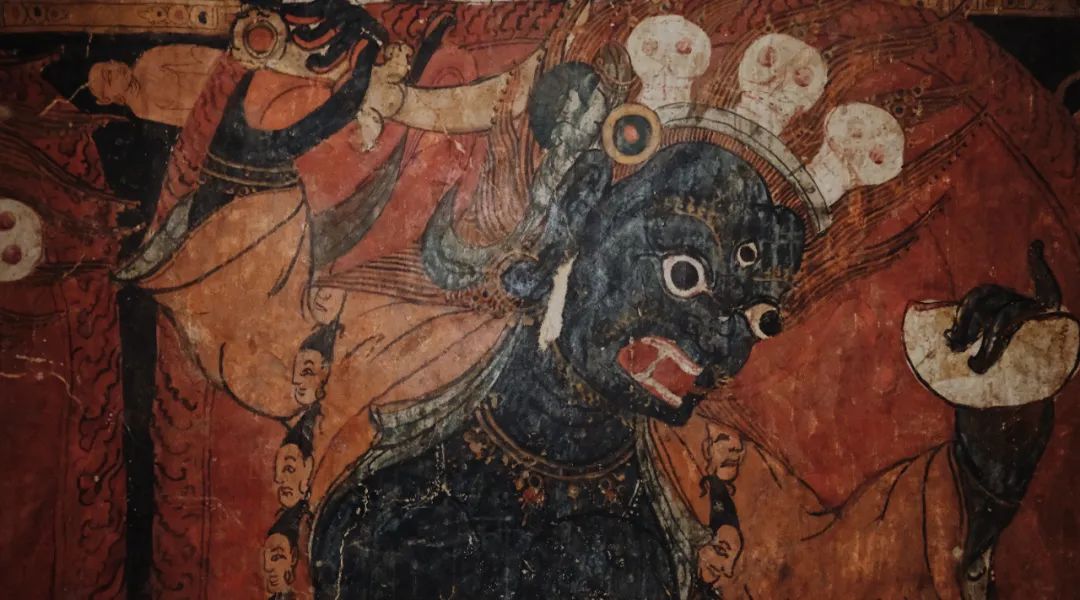
② Visit the temples and grotto murals of Chinze School, Kashmir and Nepal. The guide will explain the sectarian disputes from the 11 th to 17 th centuries, and identify the statues of protecting the law and religious symbols.
③ Enjoy the peaks of the Himalayan snow-capped mountains, including Zhuomulari, Mount Everest, Mount Lhotse and Shishapangma.
④ Hiking an undeveloped glacier on the border between China and India.
⑤ Half-way turn to Yamagaila Rinpoche, enter on foot and leave by car. Ghost Lake La Angcuo is waiting for Namunani Peak to shine on Jinshan Mountain.
⑥ Visit the former palace of Guge civilization and the first Tibetan Buddhist temple in Ali, and the guide explains the history of the rise and fall of Guge civilization.
⑦ Dive deep into the Tulin Canyon to find the largest Buddhist grottoes in Tibet and admire the grotto murals from the 11 th to 15 th centuries.
From mid-May to late October, 2 people set off, Depart at any time
Itinerary
Fly to Lhasa and pick you up to the hotel by special car. If time permits, the guide will lead you to visit Jokhang Temple or Tibetan secret temples or museums that are rarely visited by tourists.
Meals: None
Hotel: The St. Regis Lhasa
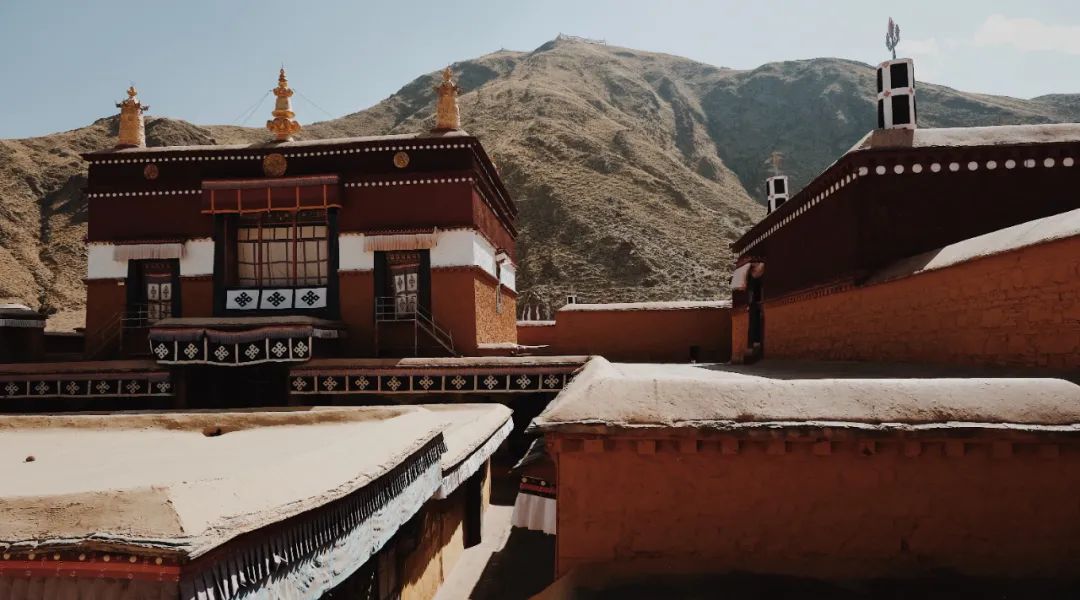
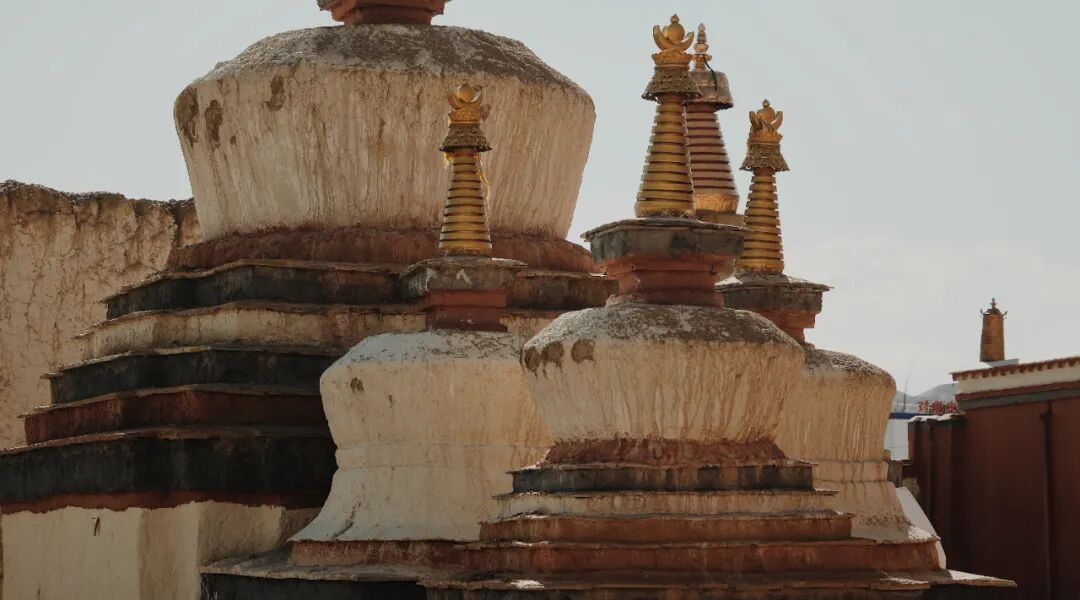
3-hour bus to Langkazi via Yamdrok Yumcuo and visit along the way The only existing dojo of the Gongga Sect, the esoteric tribe of the Sakya Sect.
The temple was built in the mid-15 th century, and a large number of murals of Chinze School are preserved. This school of painting broke the situation that early murals were dominated by Kashmir-Nepal style, and incorporated a large number of Han elements. guide Explain the history of Sakya School from 11 th to 13 th centuries, identify the main statues of Tibetan secret protectors, and pave the way for appreciating Kashmiri-Nepalese murals later.
In the afternoon, a 1.5-hour drive to Gyantse and visit the Baiju Temple, which was built in the mid-15 th century and where the Sakya, Xharu and Gelug sects coexist. The exquisiteness of Nepalese-style murals in Baiju Temple is second to none in Houzang. The guide explains the meaning of common symbols in murals and the history of the Gelug School between the 15 th and 17 th centuries.
In addition, overlooking Zongshan Castle, it witnessed the invasion of Tibet by the British army in the 20 th century. The guide explains the structure of Tibetan regime from 19 th to 20 th centuries, and the role played by the 13 th Dalai Lama in the political wrestling between Qing Dynasty/Britain/Tsarist Russia.
Dining: Breakfast
Hotels: Local Select Hotels
Along the Yadong Valley on the border between China and Bhutan, explore plateau lakes and admire the Himalayan peaks above 6,000 meters represented by the Zhuomulari Snow Mountain at 7,326 meters above sea level. After that, hike to the 5,400-meter glacier that has not been developed by the scenic spot (about 2 hours on foot), and you can walk to the front of the ice tongue at close range. The last 3 hours drive to Tingri.
Meals: early Meal
Hotels: Local selection
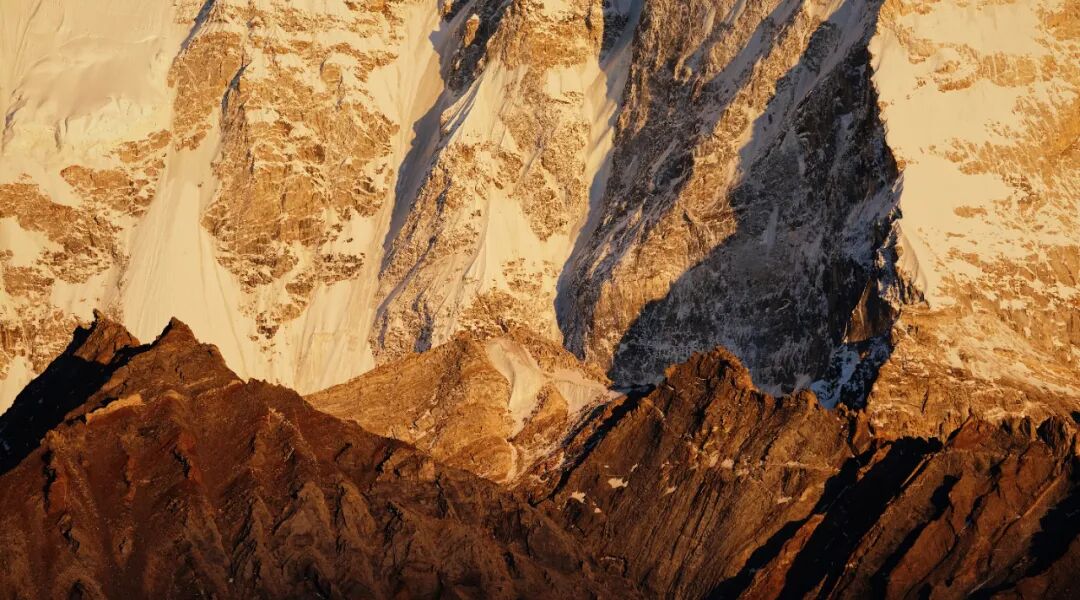
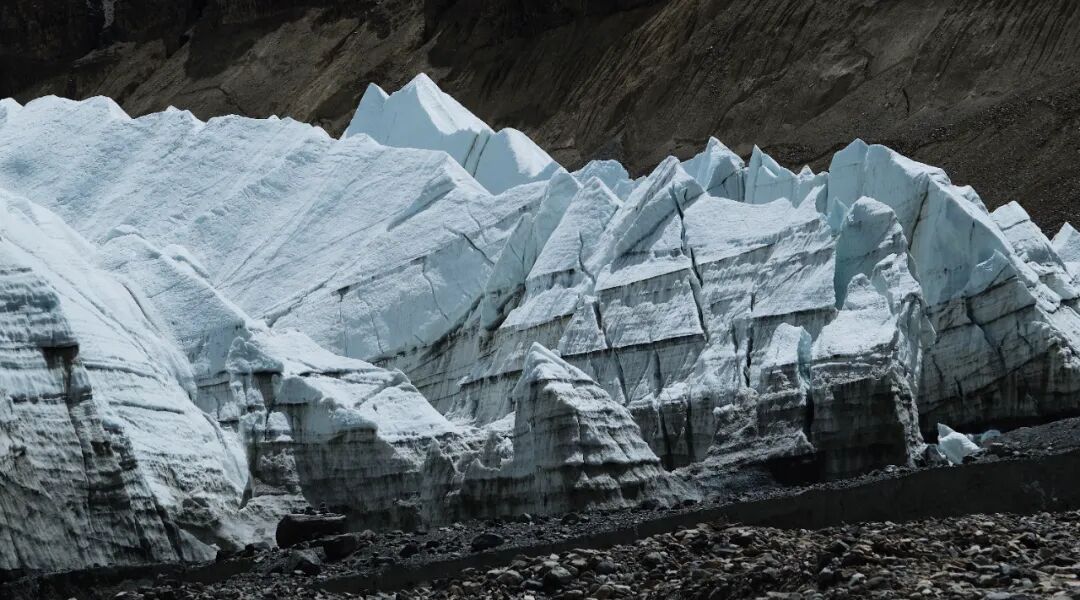
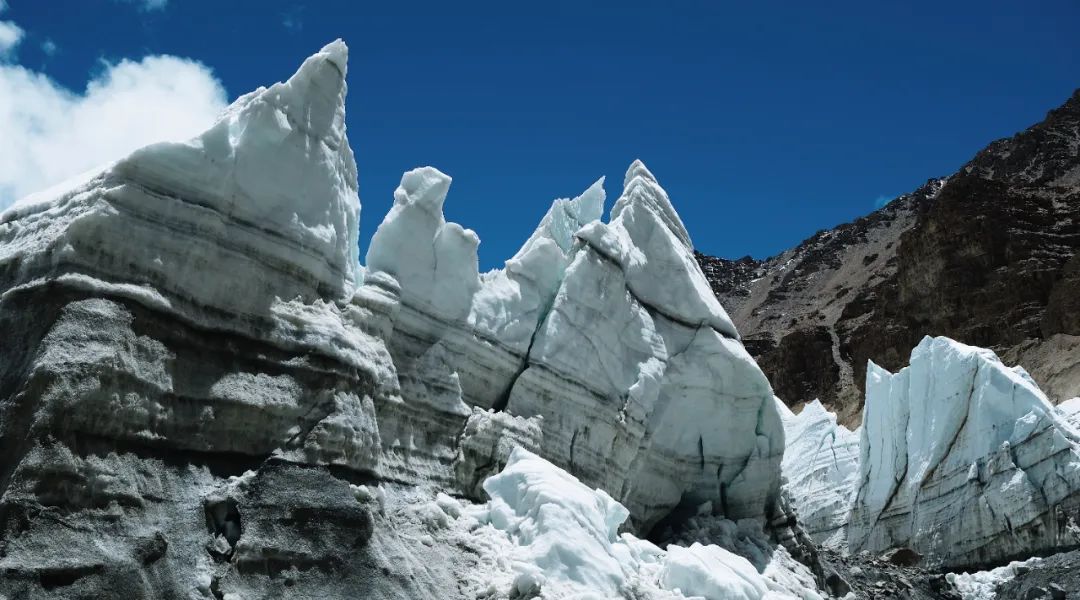
Take a 5-hour bus through Xixiabangma Nature Reserve to Saga/Zhongba, overlooking Mount Everest, the 4,600-meter Peichucuo Plateau Lake and the 8,027-meter Shishapangma, and you have the opportunity to see Tibetan wild donkeys and Tibetan antelope.
Other optional activities
For months with high probability during April, May, September and October every year, tour of Mount Everest Base Camp can be temporarily added according to the weather of that day.
Dining: Breakfast
Hotels: Local Select Hotels
On the 5 th day, Manpanyongcuo and Laangcuo, headed to Pulan
Go to Pulan County, at the junction of China, India and Nepal, and pass through Payang Desert, Holy Lake Mapang Yongcuo, Ghost Lake Laangcuo and 7,694-meter Namunani Peak. The Holy Lake Mapangongcuo is the highest freshwater lake in the world, and it is also the birthplace of four major rivers in Asia, namely the Ganges River, the Indus River, the Satlej River and the Brahmaputra River. The four rivers eventually enter the Indian Ocean by different routes. When the weather is sunny, wait for Namunani Peak to shine in Jinshan Mountain in Laangcuo in the evening.
Dining: Breakfast
Hotel: Pulan Himalaya Hotel
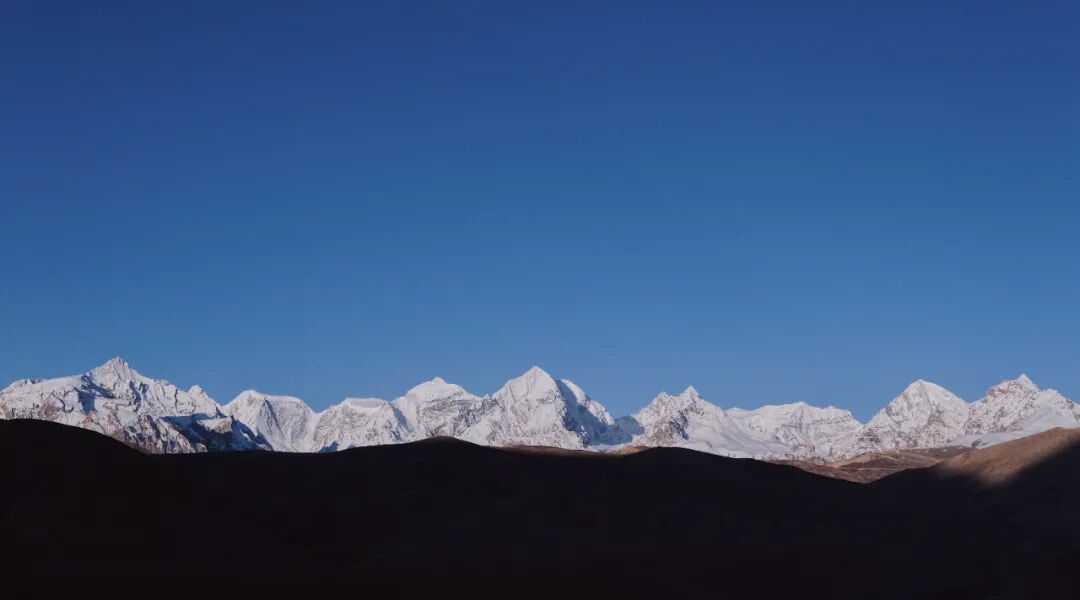

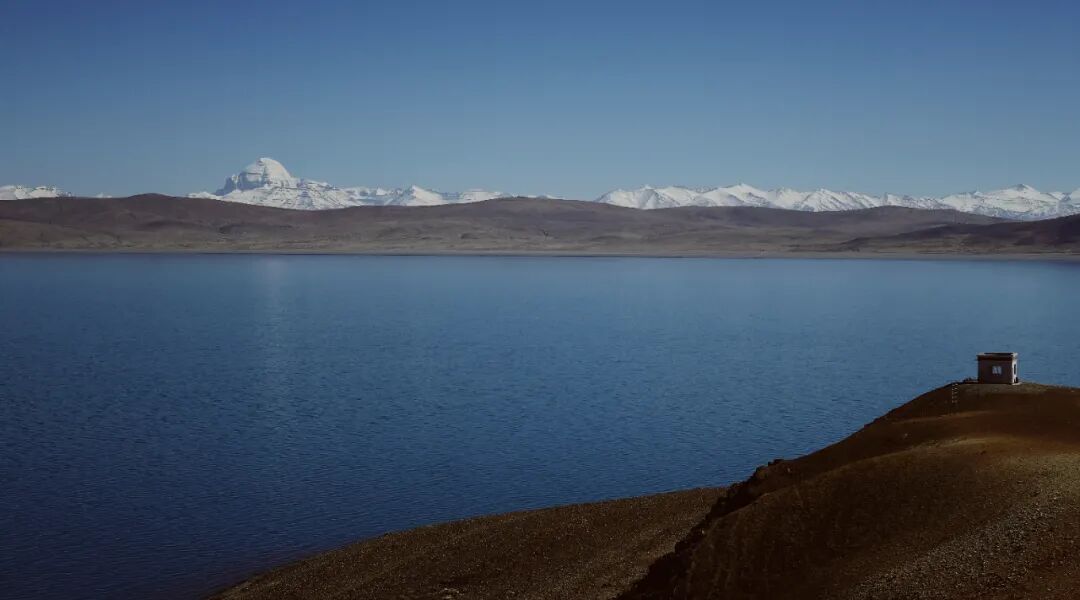
On the 6 th day, Gang Rinpoche walked (two-legged pagoda to Zhire Temple)
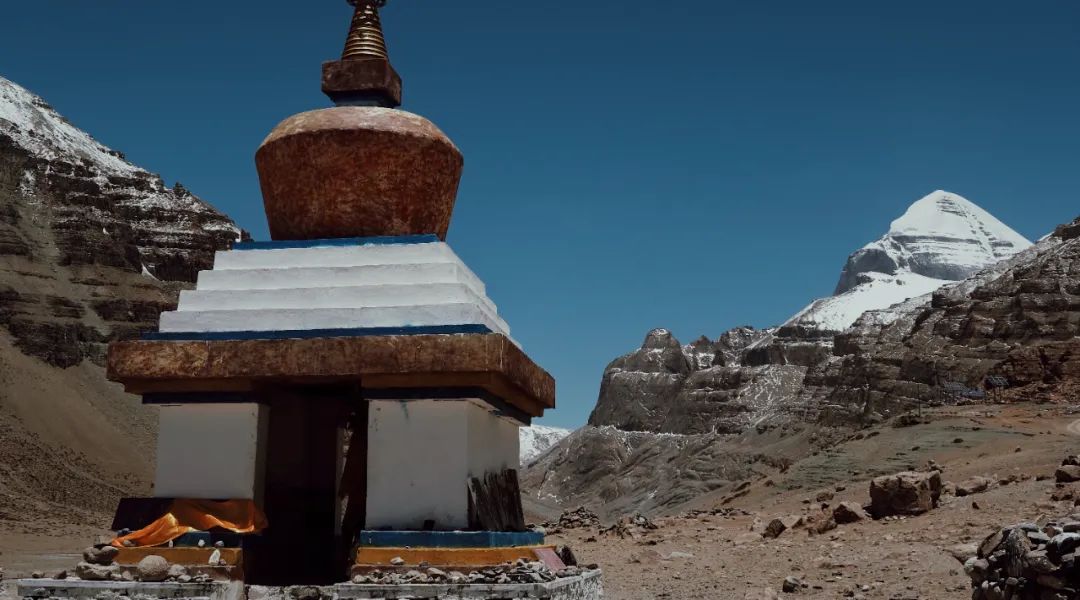
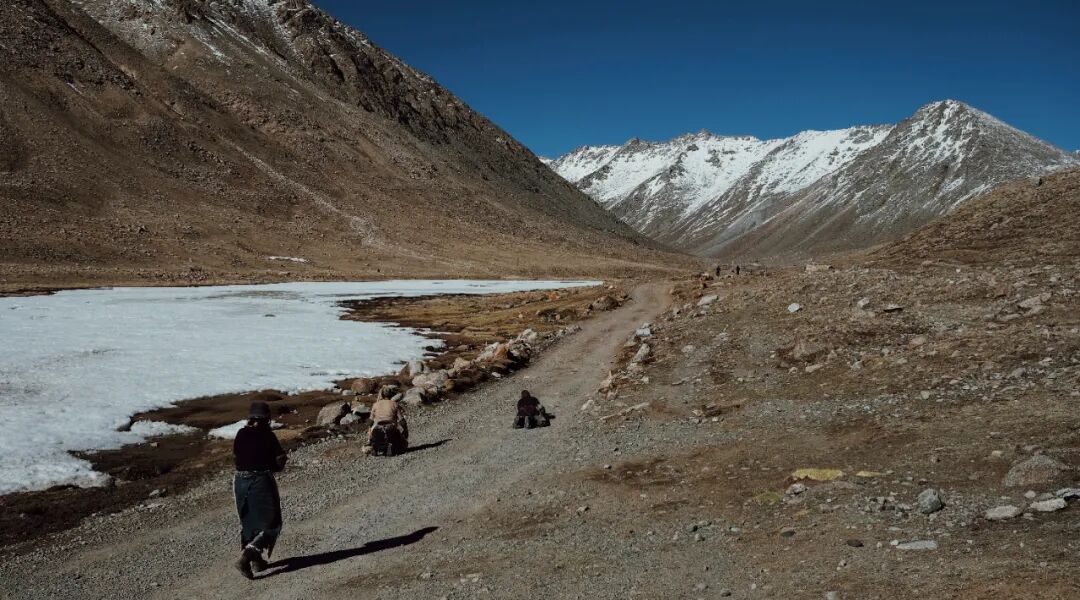
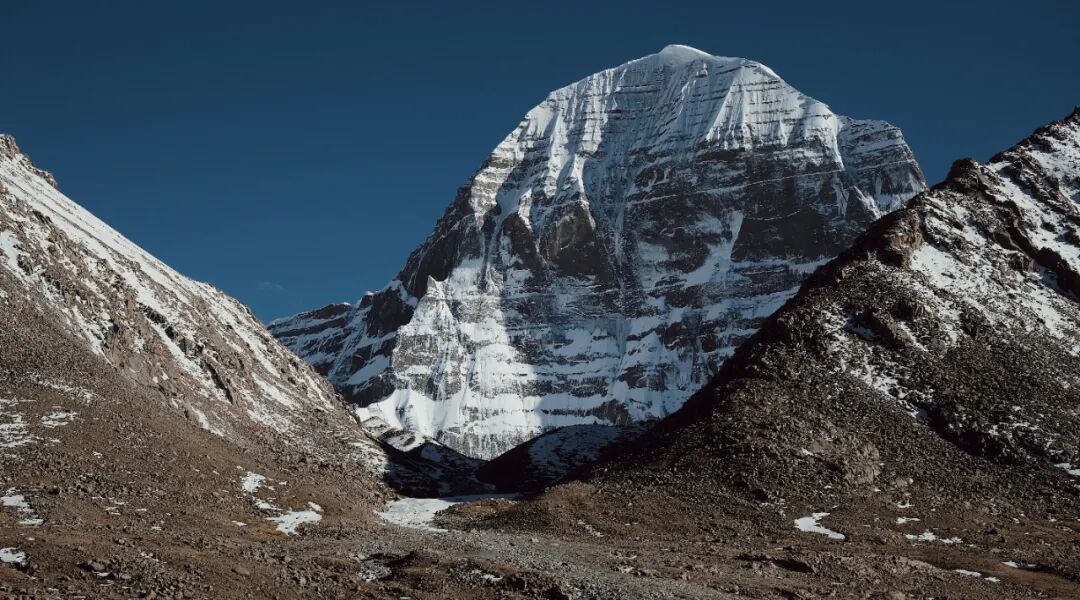
Gangrenpoqi, located at 6,638 meters in the Gangdise Mountains, is a holy mountain worshipped by Tibetan Buddhism, Yongzhong Bon religion, Hinduism and Jainism. Compared with ordinary tourists who just overlook the snow-capped mountains, you will walk half a way along the Laqu Valley to the mountain road (14 kilometers, about 6 hours) and feel up close how devout believers worship the sacred mountains by kowtowing their heads every 15 days.
At an altitude of 5,085 meters, Zhire Temple belongs to the Karma Kagyu School. It is the best place to enjoy the north wall of Gangrenpoqi, and it is also of religious significance. At the beginning of the 13 th century, when Master Guo Cangba of the Kagyu School first turned the mountain road, he met a female yak and then drilled into a cave and disappeared. Guo Cangba After understanding the will of the gods, he began to practice in this cave, and this is the predecessor of Zhire Temple. The guide explains the history of the Kagyu School between the 11 th and 14 th centuries.
Finally return by SUV Tachin 。 If you want to hike the complete mountain route, you need to add an additional 1 day and 1 night itinerary.
Dining: Breakfast
Hotel: Tachin Himalaya Hotel
Day 7: Travel to Zanda, Guge Palace and Zanda Forest
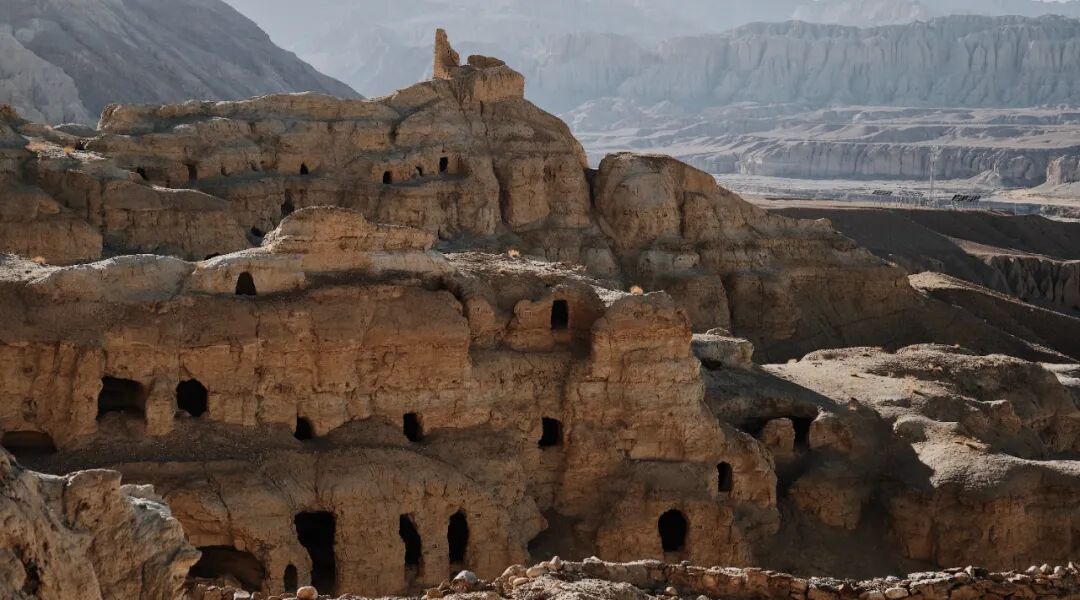
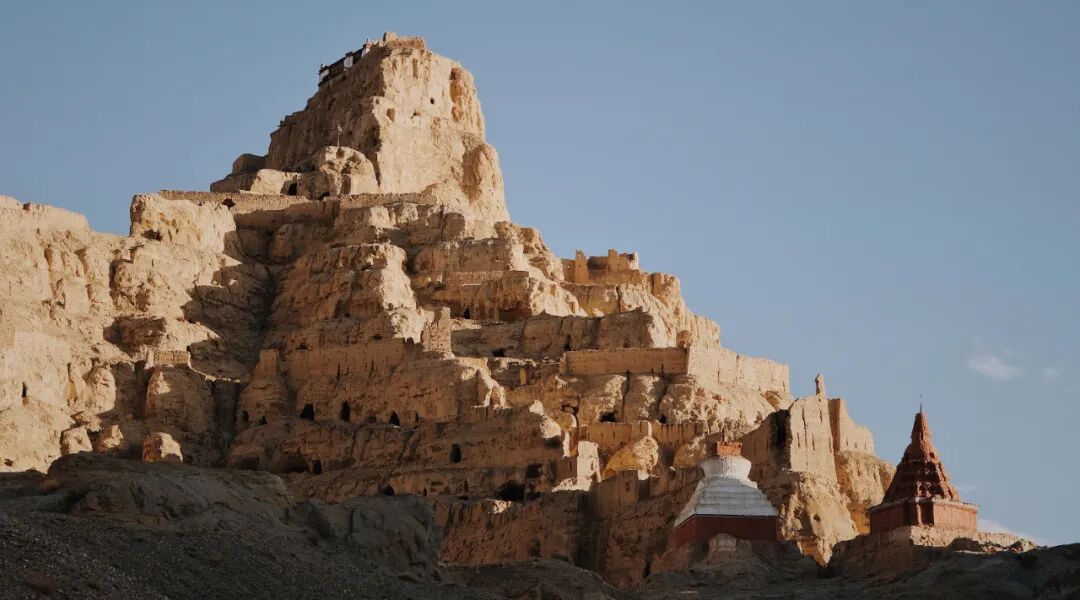
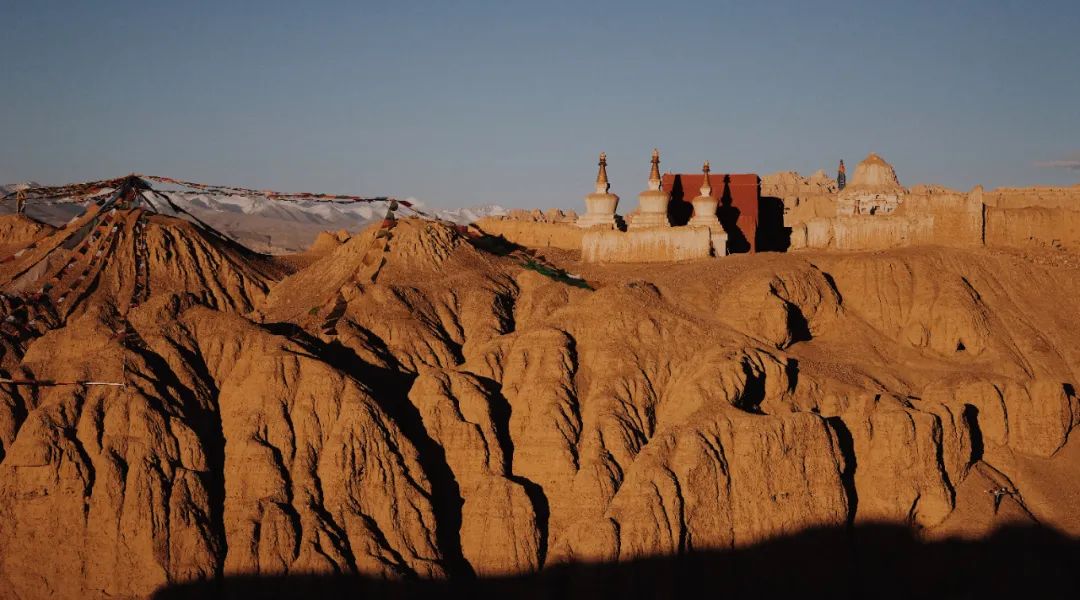
4 hours ride to Zanda. afternoon Visit the ruins of Guge Palace, which was built in the 10 th century by descendants of Tubo Dynasty. As a local regime in Ali, Guge civilization lasted for more than 700 years, and finally died due to the invasion of Ladakh Kingdom and the deterioration of natural conditions in the 17 th century. The guide explains the history of Guge civilization, modern archaeological discoveries and Kashmiri-style murals from the 10 th to 17 th centuries.
Meals: Breakfast
Hotels: Local selection
Day 8 Tuolin Temple and Grotto Murals, go to Shiquan River
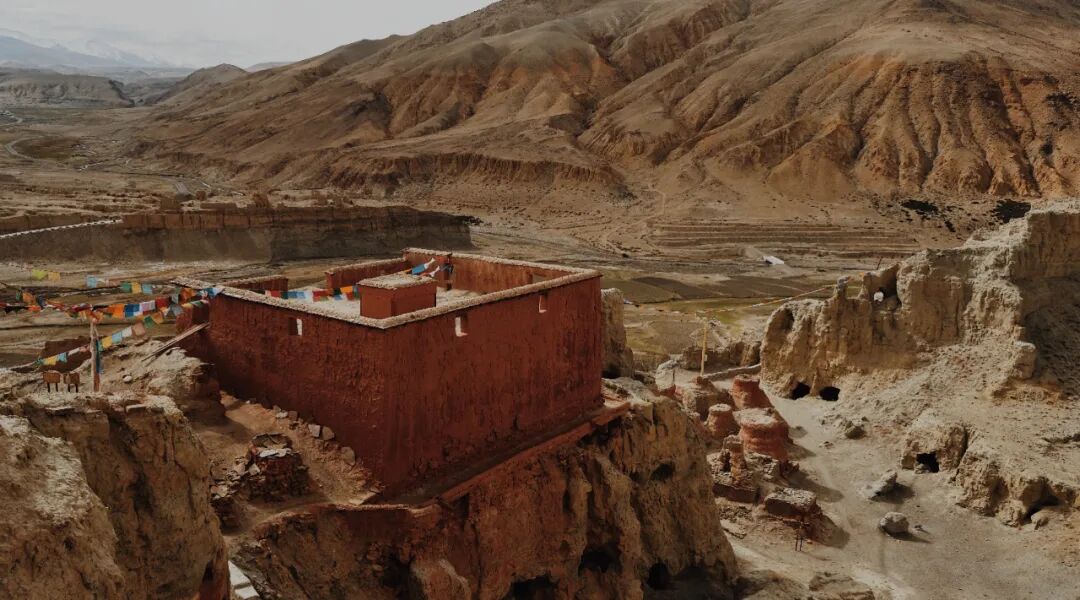
morning Visit the first Tibetan Buddhist temple in Ali, Tuolin Temple, which was built at the end of the 10 th century and presided over by the first king of the Guge Dynasty. It contains exquisite religious murals no less than the Guge Palace. Guide Explanation The role of Guge civilization in the development of Tibetan Buddhism, the whole story of Guge and Ladakh wars.
Then cross the earth forest canyon and visit The largest Buddhist grotto site found in Tibet (according to the opening situation on that day, you have the opportunity to visit 2 to 5 grottoes) retains murals dating back to the early Guge civilization (11 th to 12 th centuries). Finally, take a 4-hour bus to Shiquan River.
If you are interested, go to Ali Dark Night Reserve at night to photograph the starry sky.
Meals: Breakfast
Hotel: Ali Grand Hotel
End of the trip on Day 9
1-hour bus to Ali Airport and fly back to Lhasa.
Flight Information
There are daily direct flights from Ali to Lhasa, with a 2-hour flight. After arriving in Lhasa, you can transfer to the flight of the same day to return home.
Dining: Breakfast
Hotel: None