By admin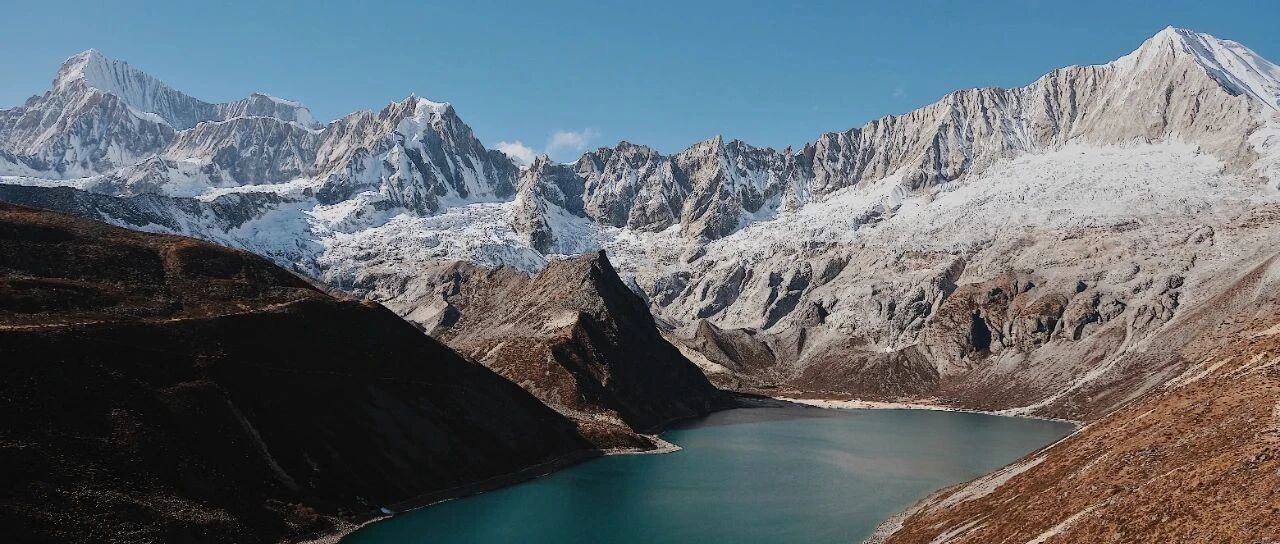
Line highlights:
① Visit the first temple in Tibet where monks practice, explain how Buddhism rose in Tibet from the 7 th to 9 th centuries, and identify the meaning of mural symbols.
② Visit Shannan Museum to explain the replacement of Xiangxiong and Tubo civilizations; Visit Minzhulin Temple, famous for its calligraphy and Tibetan incense.
③ Hike Kulagangri Snow Mountain for 2 days and listen to the wind in the empty valley.
④ Visit the Kagyu temples on the border between China and Bhutan, and explain the development of Kagyu in Tibet from 11 th to 15 th centuries.
⑤ Follow the believers to stand on the 28-meter-high tower and turn around, and pin their wishes.
Mid-April to mid-June, Mid-September to mid-December , leave at any time
Itinerary
Arrive in Lhasa, pick up by special bus to the hotel. If the flight arrives before noon, you can visit Jokhang Temple or other temples/museums with fewer tourists in the afternoon.
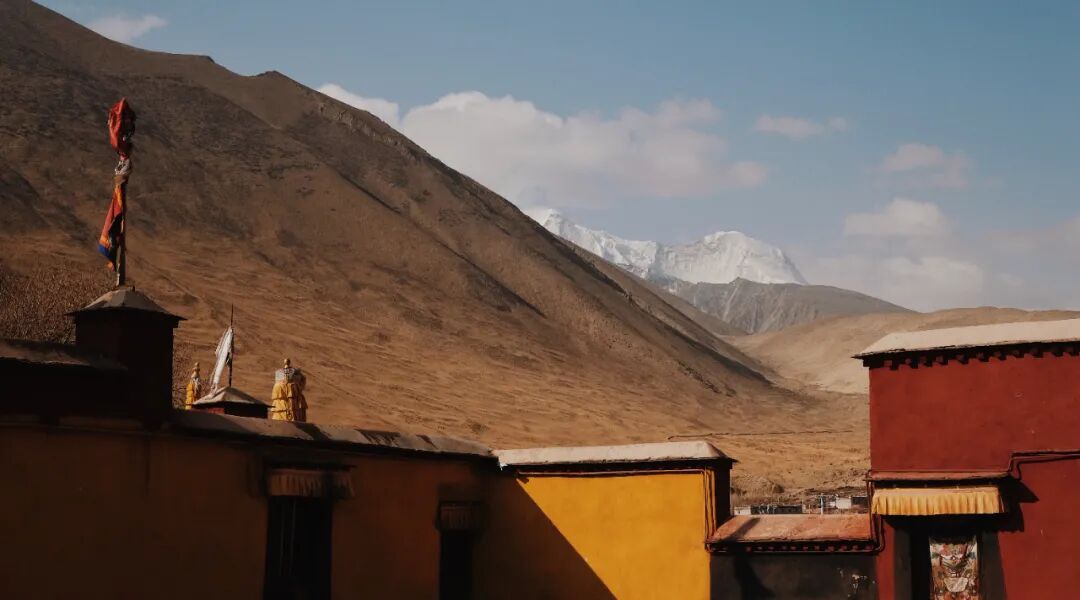
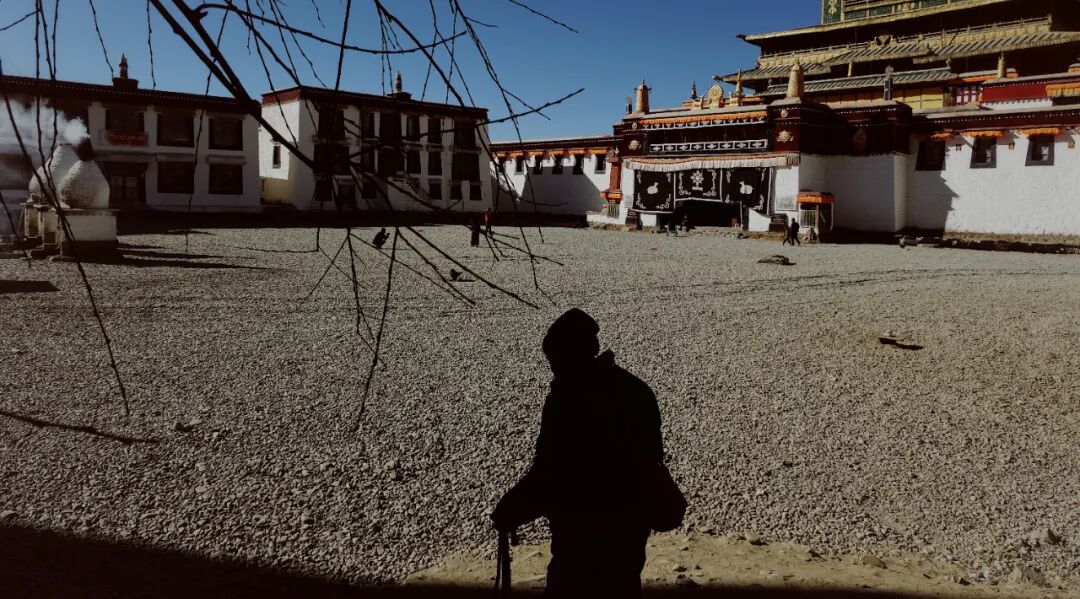
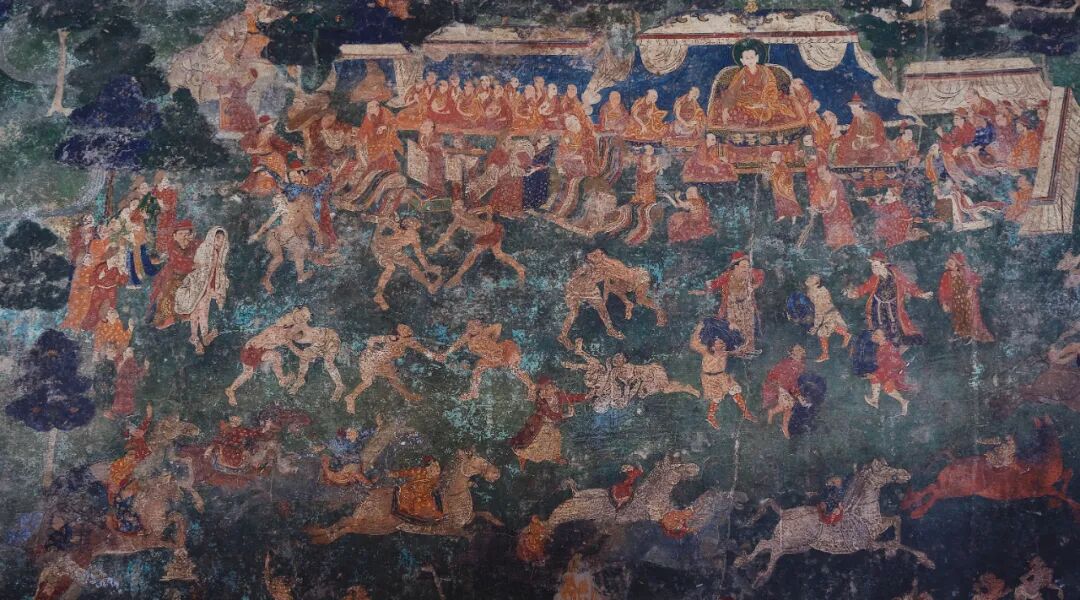
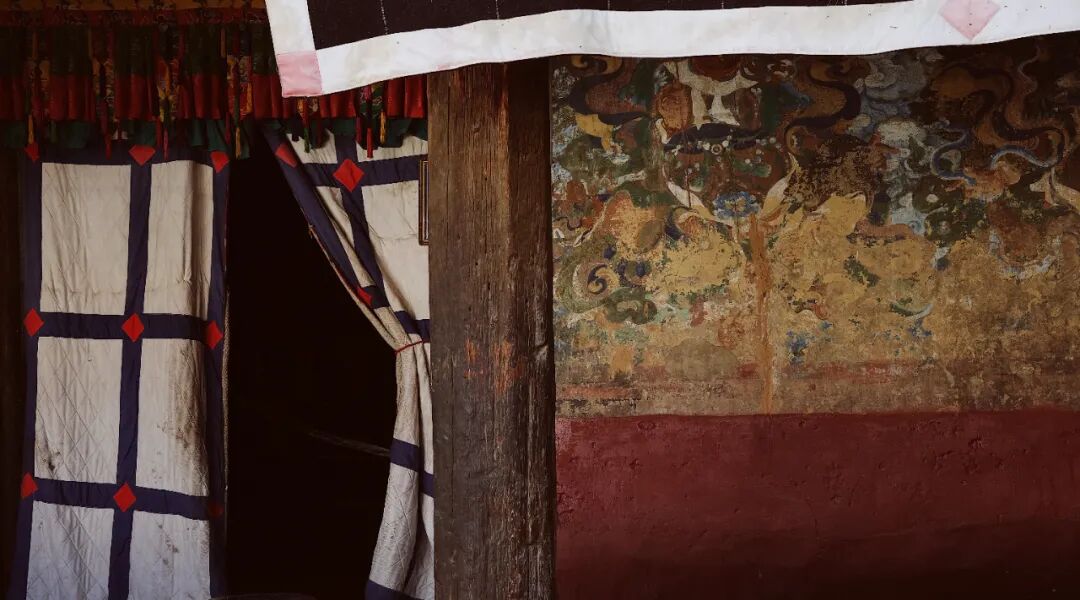
Drive along the Yarlung Zangbo River valley for 2 hours to Samye Temple, the first temple with monks in Tibet, which was built at the end of the 8 th century AD. temple The architectural layout is designed according to the universe depicted in the early Indian Buddhist scripture Chang Agama, and has three architectural styles: Tibetan, Indian and Han. The guide explains the development of Buddhism in Tibet from the 7 th to 9 th centuries AD, decrypts the meanings of Tibetan secret instruments and mural symbols, and identifies the statues of the main protector gods.
Day 3: Break the ancient grassland, Danxia earth forest and ancient watchtower
Long-distance traffic transfer, 7-hour drive to Kulagangri, along the way There are no scenic spots, but there are scenery everywhere, including wetlands and grasslands, traditional Tibetan villages, Danxia earthen forests, snow-capped mountains and watchtowers. Different elements are overwhelmed.
Day 4 Kulagangri Snow Mountain Trekking
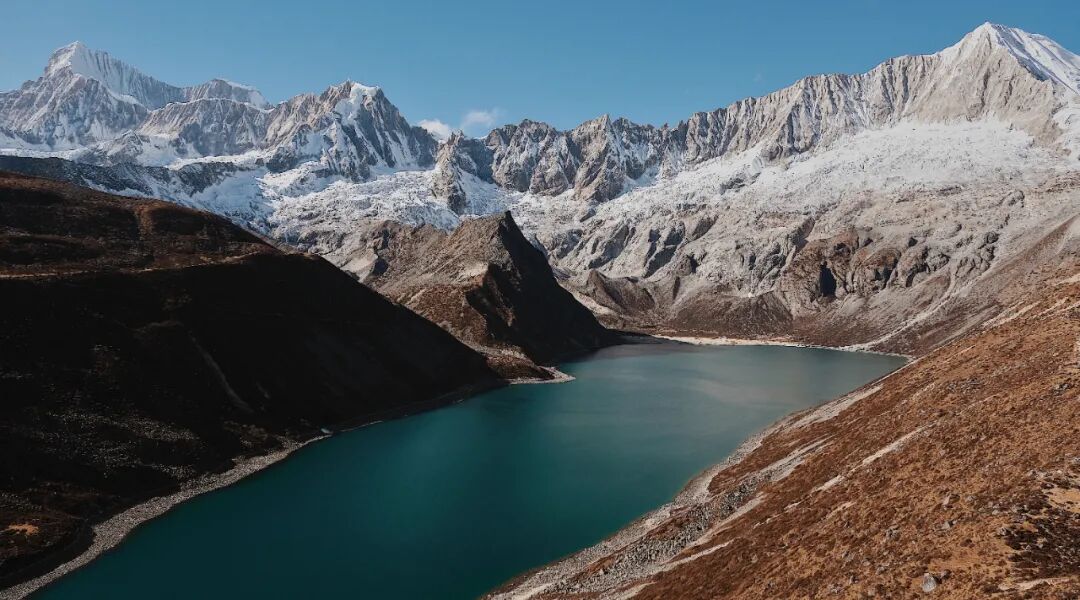
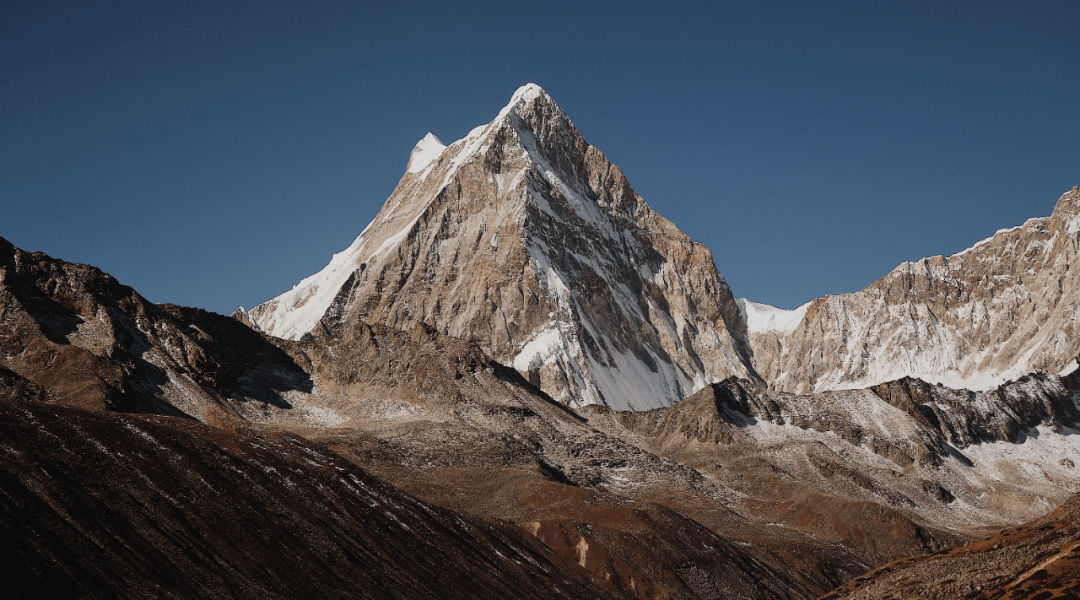
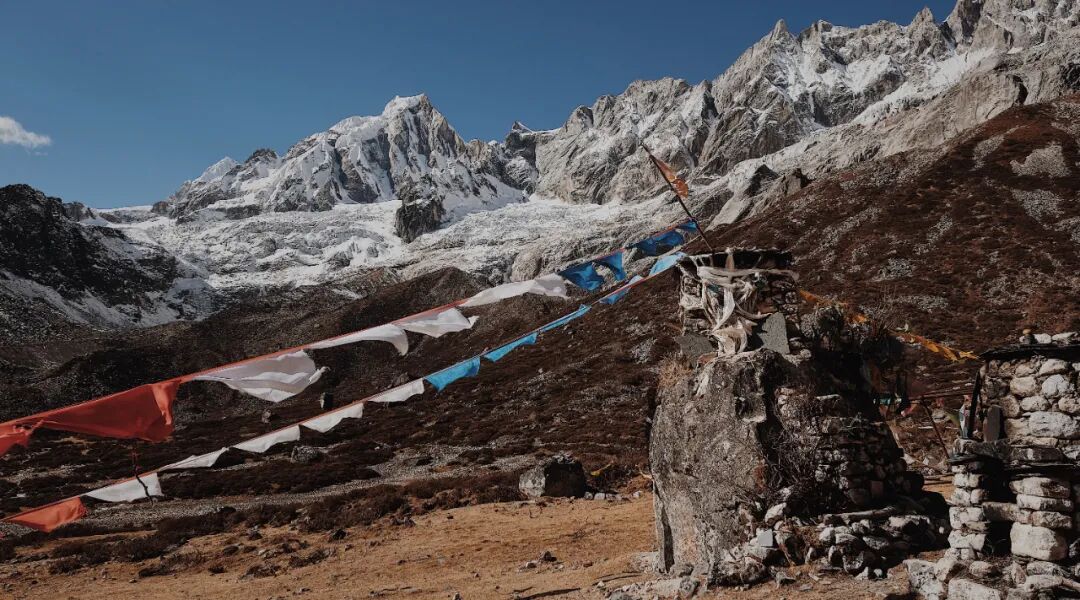
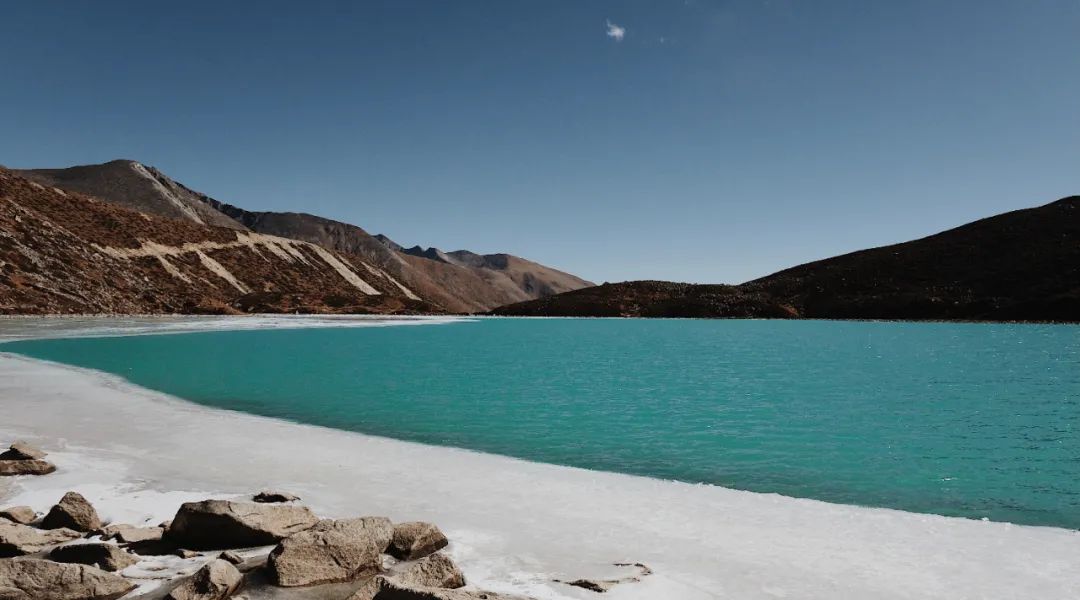
First, climb to the alpine meadow and look out at the Kuragangri peaks. Then hike along the ridgeline and admire the snow-capped mountains and lakes. At the end, you can lie on the soft beach by the lake and listen to the wind in the valley. Looking up, you can also find the practice cave of Master Lotus Sambhava, the ancestor of Tibetan secrets, hidden on the cliff under the snowy peak.
◎ Trek 12 km, between 4,500 and 4,800 m, 7 hours
Day 5 Kulagangri Snow Mountain and Kagyu Temple
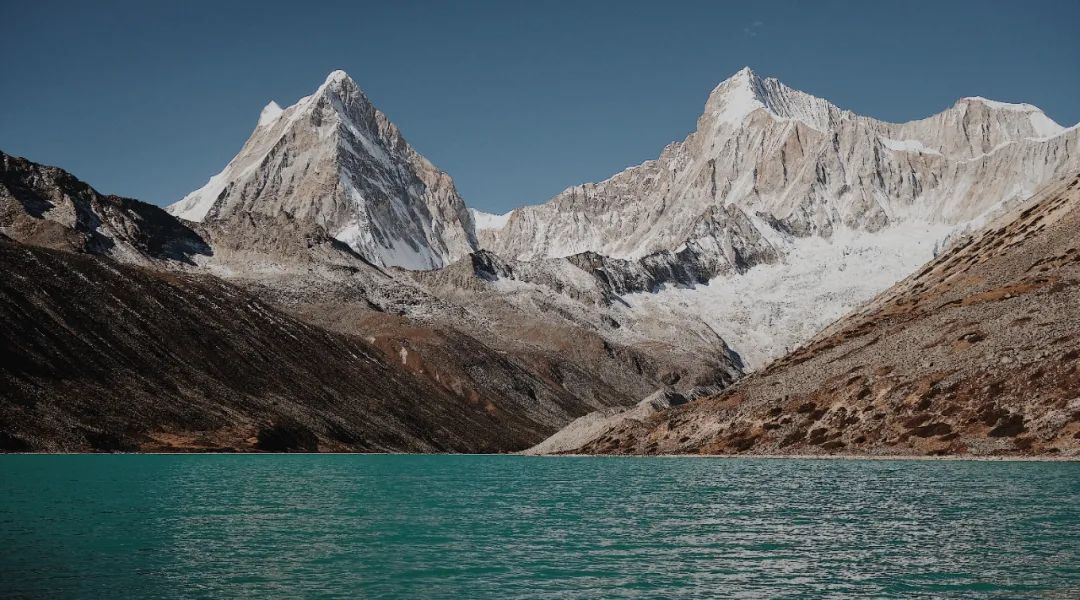
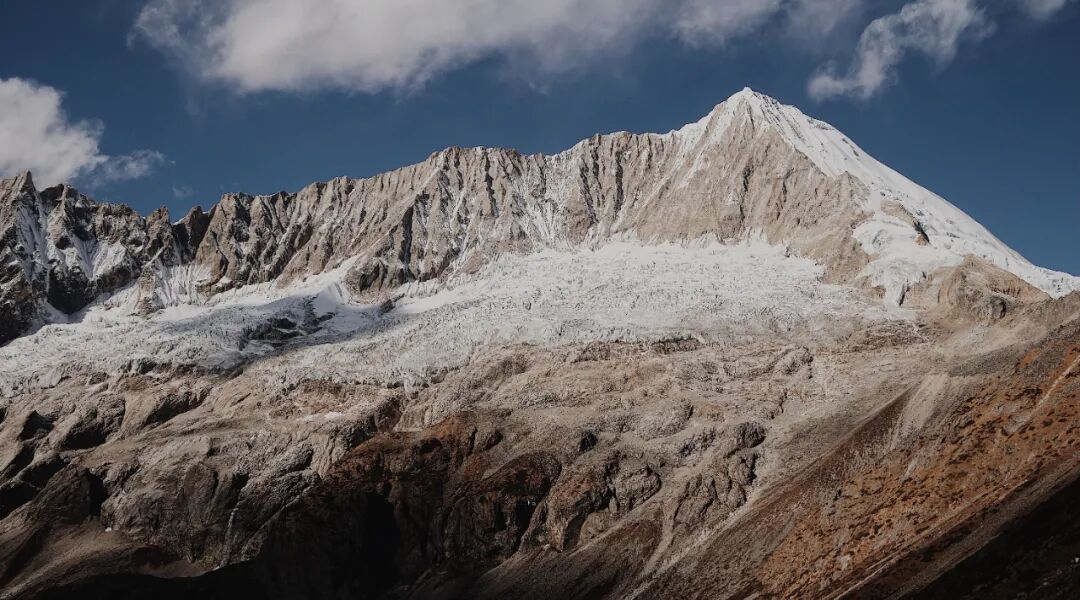
In the morning, climb along the alpine meadow to 4,800 meters, and then slowly go downhill along the gravel road. In front of you are the sparkling plateau lake, the main peak of Kulagangri at 7,538 meters above sea level, and the Karijiang peak at 7,221 meters above sea level.
After lunch, leave Kulagangri and visit the nine-story pagoda of Sankakuto built by Marba’s disciple Milarepa. The tower is 28 meters high and contains a large number of ancient murals. You can follow the believers to the top floor, step out of the window, and turn around the external corridor to keep the reincarnation in the afterlife from entering the three evil ways. There is Mahagala secret room in the Buddhist temple. During the turbulent period, monks sealed the door with mud stones before it was preserved. There are Mahagala statues, dragon statues and folk dancing props, which are quite precious.
If time permits and you are interested, you can stop by Luozhuo Wolong Temple, which was founded in the 11 th century by Marba, the patriarch of the Kagyu Sect.
Day 6 East Coast of Pumo Yongcuo and Yamdrok Yongcuo
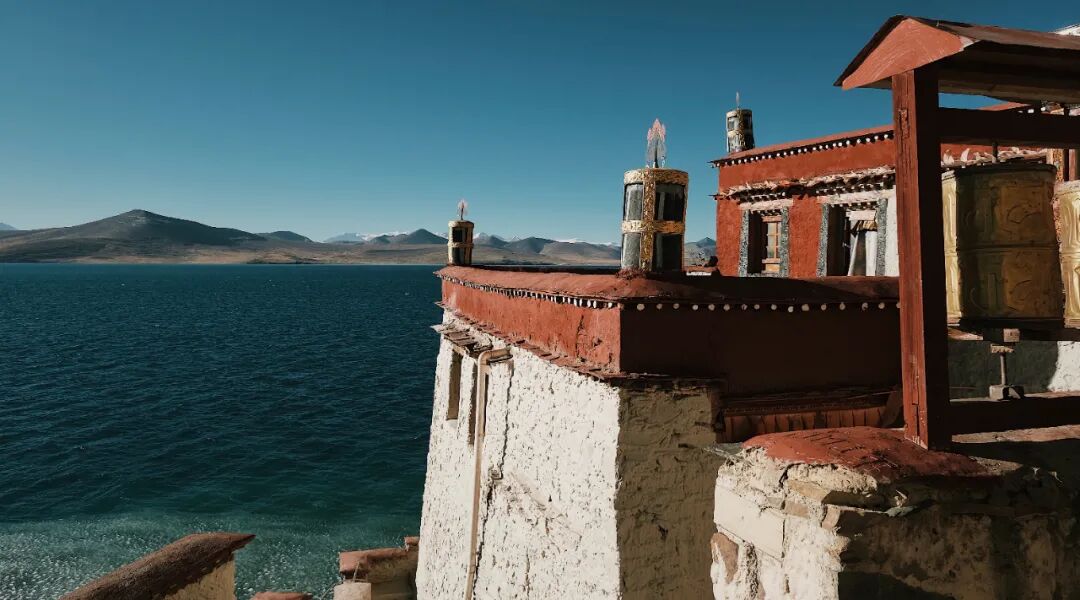
Long-distance transportation transfer, 6-hour drive back to Lhasa, visit a rarely visited Kagyu monastery along the way, Pumo Yumtso and the east bank of Yamdrok Yumtso, along the way Have a greater chance Encounter a wild Tibetan gazelle 。
The temple was founded in the 12 th century, and there are precious murals of the two living Buddha systems of Karma Kagyu School, “Black Hat System” and “Red Hat System”. The guide explains the development history of the Kagyu School from 11 th to 15 th centuries, why the Red Hat School stopped reincarnating, and the story behind Gurkha’s invasion of Tibet during the Qianlong period of Qing Dynasty.