 By admin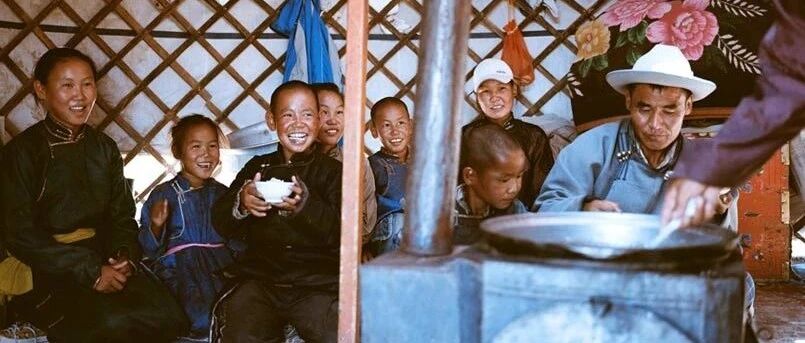
Line highlights:
① Enter the Altai Mountains and Gobi Desert, which only a few people have the opportunity to visit.
② Professional transportation/logistics team, temporarily build a mobile yurt for 5 nights in no-man’s land to help you sleep peacefully in no-man’s land.
③ Hike the Altai Mountains and track wildlife; Guest Kazakh eagle hunter family; Explore the ruins of the ancient Steki tombs.
④ Setting foot on the land of Khovd, which belonged to Manchuria during the Qing Dynasty.
⑤ Explore lakes in the desert and observe migratory birds and rare fish; Visit the birthplace of Mongolian Humai singing.
From mid-June to the end of September, 2 people will travel at any time
Itinerary
Fly to Ulaanbaatar and pick you up to the hotel by special car. If time permits, you can visit the National History Museum of Mongolia by yourself, which systematically displays the historical development of Mongolia from prehistoric period to 20 th century, from human bones 800,000 years ago, the rise of multi-ethnic groups (Xiongnu/Turkic/Uighur/Khitan) from 5 th century BC to 9 th century AD, and the Mongolian Empire in 13 th century.
Meals: None
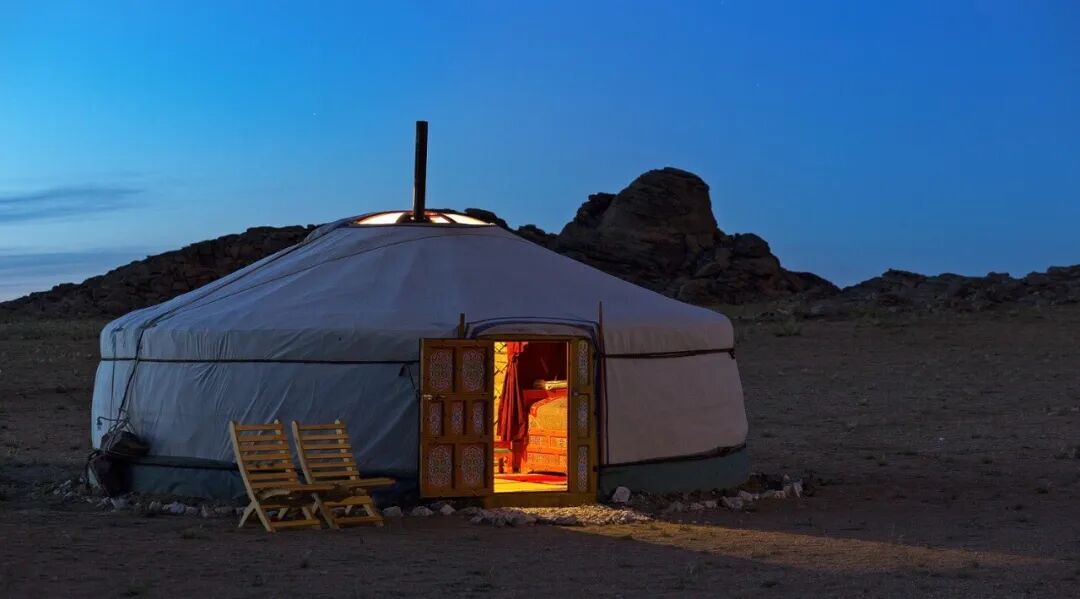
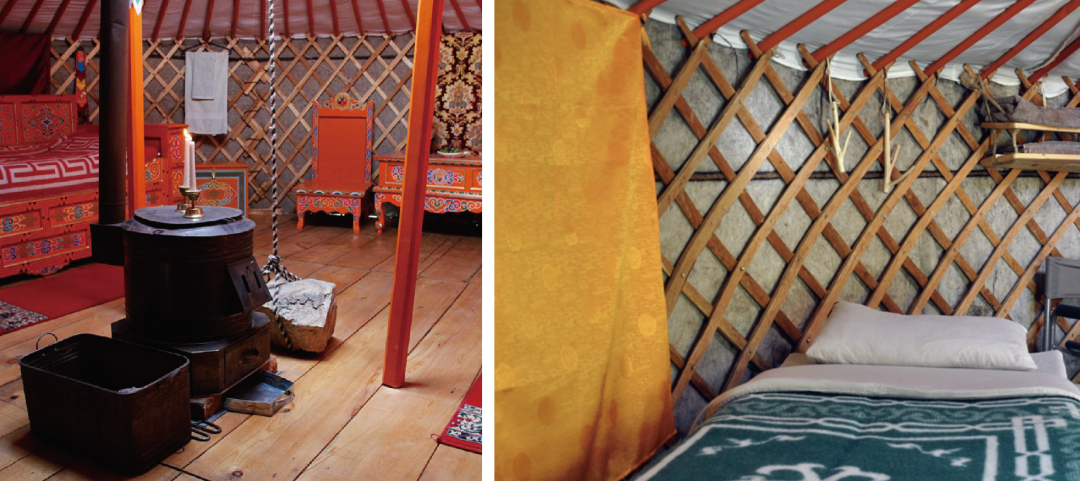
Today’s long-distance transportation transfer to the most primitive natural landform of the Asian continent-Altai Mountains (2 hours by flight + 4 hours by car) and stay in a mobile yurt equipped with comfortable mattresses. You will be in the vast mountains, immersed in no one’s land, and enjoy delicious meals prepared by your private chef. Depending on the season, the camp will be set up along the bank of a stream or in a canyon.
Dining: Breakfast, lunch, dinner
Hotel: Mobile yurt (with bath/toilet)
Tracking wild animals on foot in the mountains, you have the opportunity to meet hundreds of Siberian goats and Kizi argali with a height of 1.2 meters and a weight of 200 kilograms, all of which are the target prey of snow leopards. While the snow leopard is extremely difficult to see, there is still a chance to catch a glimpse of its feces and footprints. At the same time, living in the valley Kazakh herdsmen, with the help of guides, communicate with each other and learn about traditional nomadic life.
Dining: Breakfast, lunch, dinner
Hotel: Mobile yurt (with bath/toilet)
Drive along the stream for 2 hours, pass through plateau lakes, and reach the summer pasture of Kazakh people at the foothills of Altai Mountains, which is the border between Mongolia and Xinjiang Province of China. Here we will visit the yurt of Hasar eagle hunters. Unlike the Kazakhs in neighboring Kazakhstan, the herdsmen here belong to Muslim Sunnis and still continue the nomadic wisdom that has been passed down for thousands of years.
On the other hand, the area preserves numerous archaeological sites, including those erected in front of graves by nomadic tribes since the Bronze Age Deer stone, symbolizing ancient times The legacy of civilization of the Scythians and their descendants.
Dining: Breakfast, lunch, dinner
Hotel: Mobile yurt (with bath/toilet)
Say goodbye to Altai Mountains today, take a 5-hour bus Entering mainly Mongolian Khobdo, where Tibetan temples and mosques coexist in harmony. It has a special history for Chinese tourists, 1731 Emperor Yongzheng The city of Khovd was built on the banks of the Buyantu River, and it was controlled by General Uriyasutai in Qianlong. After 1864, it was partially occupied by Tsarist Russia, and in 1912, it was partially occupied by the independent Mongolian army.
Meals: Breakfast, lunch, dinner
Day 6: Travel to Lake Halsu Nature Reserve
Head east to Harsu Lake Nature Reserve, where the glacial meltwater of Altai Mountains converges into a lake, close to the boundless Gobi sand dunes, and there is a high probability of seeing rare Saiga antelope. Before arriving at tonight’s yurt camp, we will pass through a clear lake, so we might as well bravely and indulgently jump into the lake to cool off.
Dining: Breakfast, lunch, dinner
Hotel: Mobile yurt (with bath/toilet)
Explore Halsu Lake Nature Reserve all day long, admire the lake surrounded by desert and the magnificent snow-capped mountains in the distance. Two-thirds of the fish in the lake are endemic to the local area, including the mountain yaro fish with a body length of 1 meter. It is also the best place for bird watching, including Mongolia Gull, Relic gull, Pallas grouse and Rudisha Duck.
Dining: Breakfast, lunch, dinner
Hotel: Mobile yurt (with bath/toilet)
Returning to Khovd by bus, we stopped in a small village. Many people believe that Mongolian Humai singing originated here. Continue along the Jagalant Hairhan Mountains, dotted with Mongolian summer pastures 。
Meals: Breakfast, lunch, dinner
Hotels: Local selection
Take the flight back to Ulaanbaatar. It is expected to arrive before the evening and be picked up by special car to the hotel. Due to the high probability of delay/cancellation of flights within Mongolia due to weather, it is not recommended to transfer to international flights that night.
Dining: Breakfast
Hotel: Shangri-La Hotel
According to the flight time, drop off to Ulaanbaatar and end the trip.
Dining: Breakfast
Hotel: None